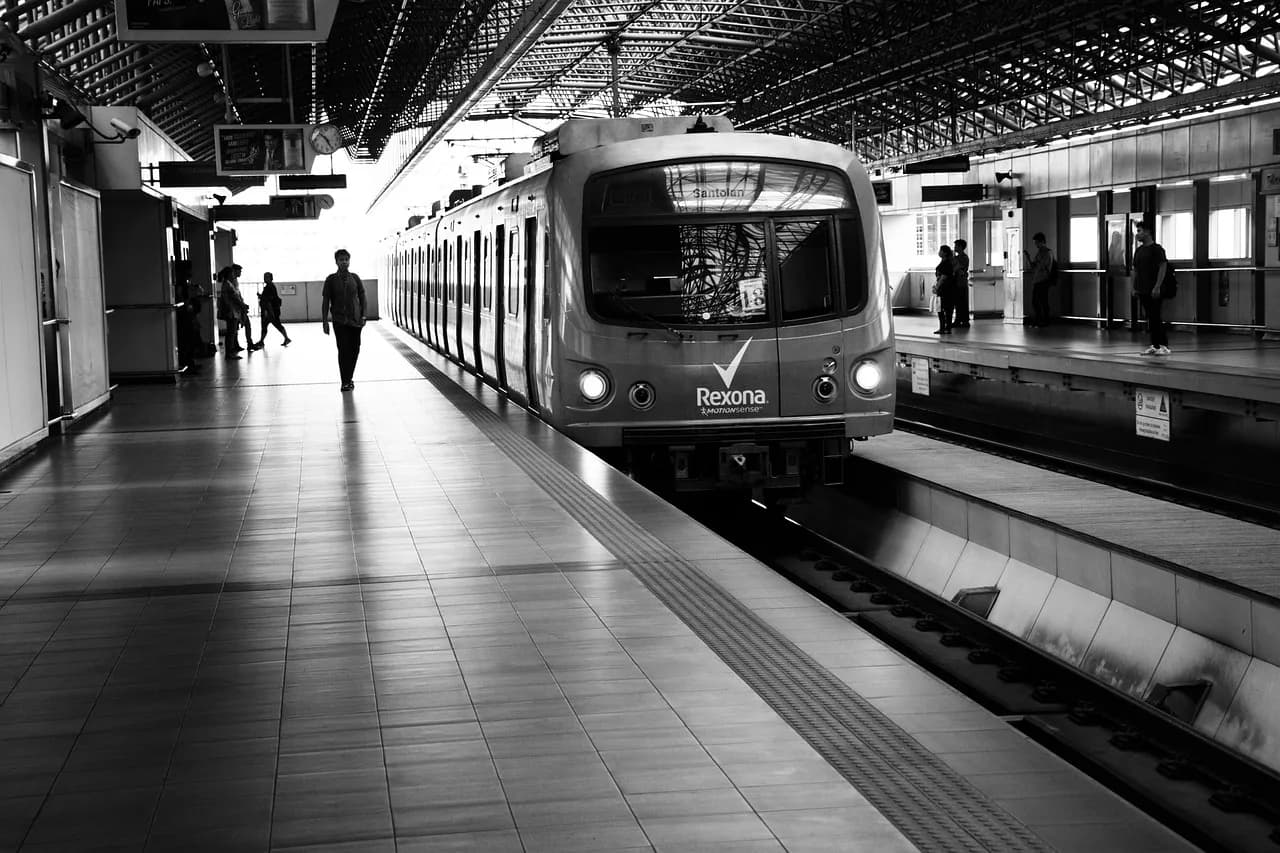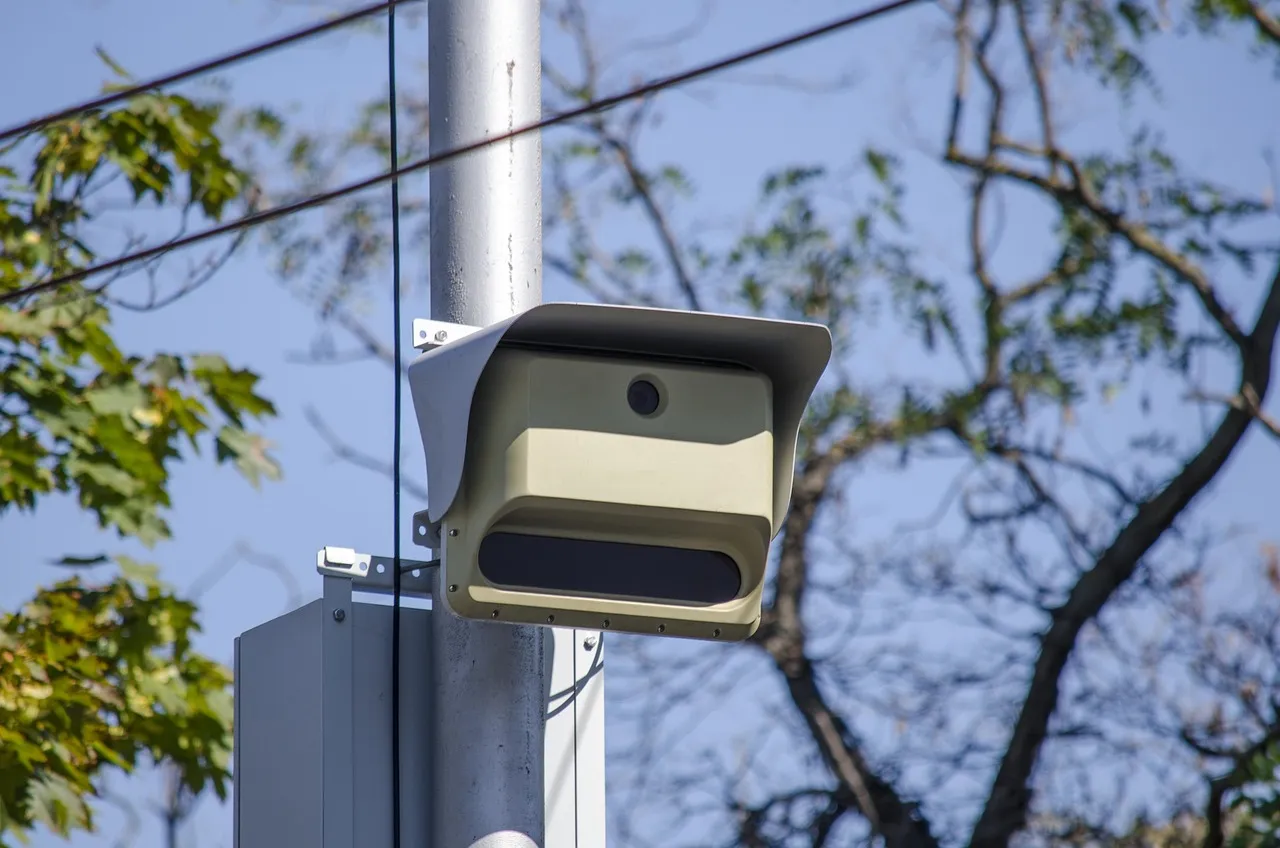
If you drove around Metro Manila last week, the cameras were already watching.
The No Contact Apprehension Policy, or NCAP, returned on Monday, October 5, in several cities. Instead of being flagged down by a traffic enforcer, motorists caught on CCTV get a notice of violation sent to them later. One week in, here's what happened.
Quick recap: why it's back
NCAP was put on hold in 2022 after the Supreme Court issued a temporary restraining order. The Court has since dismissed the petitions against the local NCAP ordinances and lifted the remaining order, although it said the dismissal does not declare the ordinances valid or constitutional.
The return was announced by San Juan Mayor Francis Zamora, president of the Metro Manila Council. The rules are standardized under the Metro Manila Traffic Code of 2023.
How the first week went
Manila started with a dry run, so violators only got warnings. The city logged about 370 violations in the first two days: around 190 on Monday and 180 on Tuesday.
Quezon City is still testing its system, with a pilot run set for this week.
San Juan said all of its major roads are covered.
Parañaque put its rollout on hold to study the scheme further, while Valenzuela held off because of ongoing road construction.
Heads up: fake NCAP texts are going around
On Wednesday, October 7, the Philippine National Police warned the public about text messages pretending to be NCAP notices. These messages usually say you have an unpaid traffic fine and include a link asking you to pay right away.
Don't click. Legit notices are checked on the official website of the city that issued them, so go there directly instead of tapping a link in a text.
How to check if you really got a ticket
You'll need your plate number and MV File number, or the ticket number on your notice of violation:
Quezon City: nocontact.quezoncity.gov.ph
San Juan: nocontact.sanjuancity.gov.ph
Muntinlupa: muntinlupacity.nocontact.ph
Manila: gomanila.com/nocontact
The MMDA, which runs its own separate NCAP on major roads, also has its "May Huli Ka" website and an NCAP service inside the eGovPH app.
Got a notice? Here's what happens next
You have 10 working days to pay or contest it, either online or before the city's traffic adjudication board. Fines range from P500 to P3,000, depending on the offense.
Ignoring a real notice is not a good idea. Unpaid fines can trigger an alarm on your vehicle in the Land Transportation Office system, which blocks registration renewal and ownership transfer.
Not everyone is convinced
Manila traffic official Wilson Chan said the city's upgraded cameras clearly capture plate numbers and violations, and that tickets issued by mistake are voided once motorists explain. Transport groups led by the National Public Transport Coalition want clear rules, a fair way to contest tickets, accountability for camera errors and protection of motorists' personal data. 1-Rider Party-list Rep. Rodge Gutierrez also called for a House inquiry into whether cities are ready.
Bottom line: stay in your lane, literally, check your city's portal yourself, and never pay a "fine" through a random link.